© Roma Numismatics Limited
© Roma Numismatics Limited
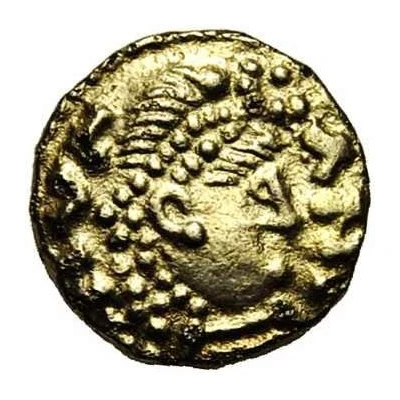
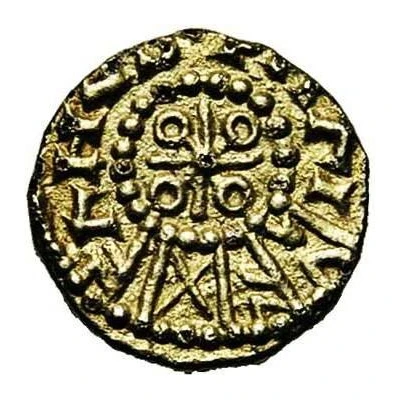
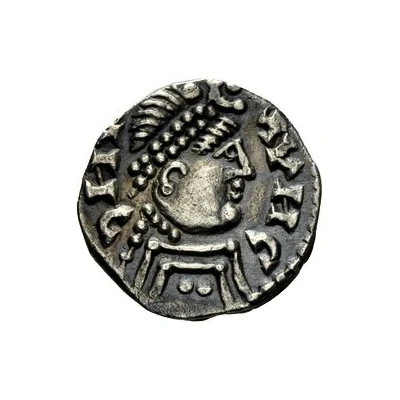
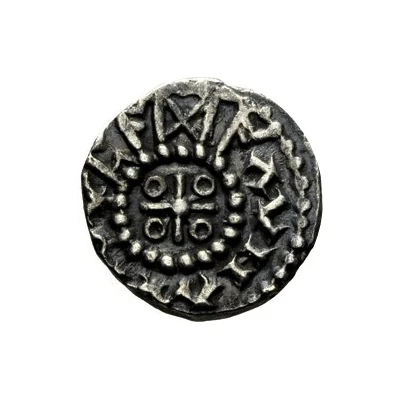
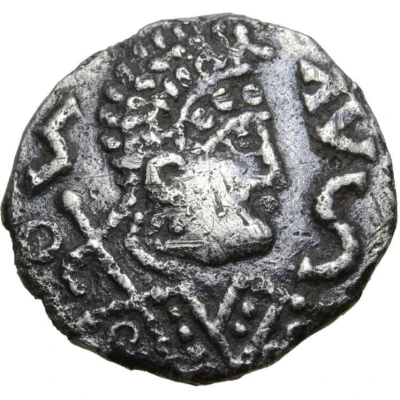
Thrymsa 'Vanimundus'; Type B
| Electrum | 1.17 g | 12 mm |
| Issuer | Early Anglo-Saxon (Kingdoms of British Isles and Frisia) |
|---|---|
| Type | Standard circulation coin |
| Years | 655-675 |
| Value | 1 Thrymsa |
| Currency | Thrymsa (600-675) |
| Composition | Electrum |
| Weight | 1.17 g |
| Diameter | 12 mm |
| Shape | Round (irregular) |
| Technique | Hammered |
| Orientation | Variable alignment ↺ |
| Demonetized | Yes |
| Updated | 2024-10-09 |
| Numista | N#306899 |
|---|---|
| Rarity index | 95% |
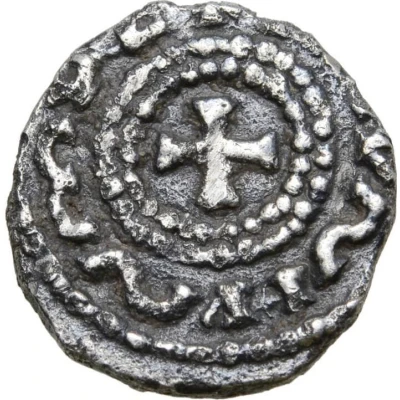
Reverse
Cross pattée within double beaded inner circle, legend around.
Script: Latin
Lettering: ✠ ..VNIVNന
Comment
Early Anglo-Saxon period (c.600-c.775), Thrymsa coinage (c.600-c.675), Post-Crondall types (c.655-c.675).Pale gold types, visibly debased and sometimes almost silvery, containing 10-35% gold.
Similar in size and appearance to the silver sceat (see link below).
Interesting fact
One interesting fact about the Thrymsa coin is that it features a unique blend of Christian and pagan elements in its design. The obverse side of the coin bears the image of a cross, indicating the influence of Christianity, while the reverse side features a depiction of a pagan deity, suggesting the continued presence of pre-Christian beliefs and practices in early Anglo-Saxon society. This blending of religious symbols reflects the complex cultural and religious landscape of the time, and highlights the gradual transition from paganism to Christianity in the region.