© Classical Numismatic Group, Inc.
© Classical Numismatic Group, Inc.
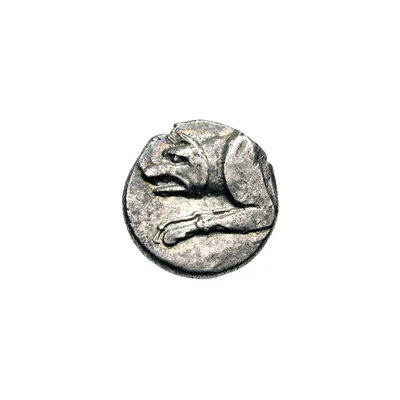
Tetrobol 343 BC - 146 BC
| Silver | 2.85 g | - |
| Issuer | Argos (Argolis) |
|---|---|
| Type | Standard circulation coin |
| Years | 343 BC - 146 BC |
| Value | Tetrobol (⅔) |
| Currency | Drachm |
| Composition | Silver |
| Weight | 2.85 g |
| Shape | Round (irregular) |
| Technique | Hammered, Incuse |
| Demonetized | Yes |
| Updated | 2024-10-09 |
| Numista | N#144560 |
|---|---|
| Rarity index | 97% |
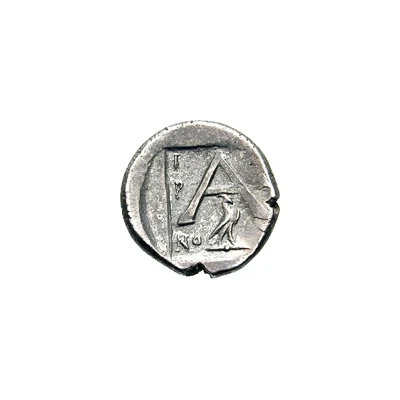
Reverse
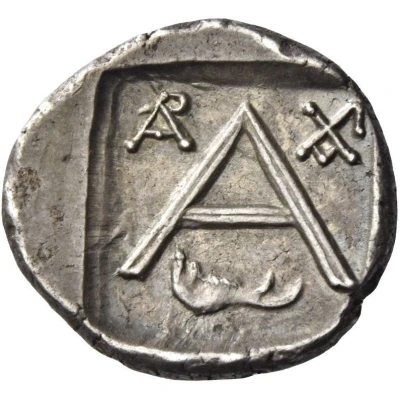
Large A with an eagle standing facing right below. Name of the magistrate around. All in incuse square
Script: Greek
Lettering:
Α
ΙΕΡΩΝΟΣ
Interesting fact
The Tetrobol coin from Argos (Argolis) was used as a form of currency in ancient Greece during the 4th and 3rd centuries BC. One interesting fact about this coin is that it features the image of a mythical creature called the "Gorgoneion" on one side, which was a symbol of protection and terror. The Gorgoneion was a depiction of the head of Medusa, a monster from Greek mythology, with snakes for hair and a fierce expression. The use of this image on the coin was meant to convey the power and authority of the city of Argos and to deter counterfeiting.