© Classical Numismatic Group, Inc.
© Classical Numismatic Group, Inc.
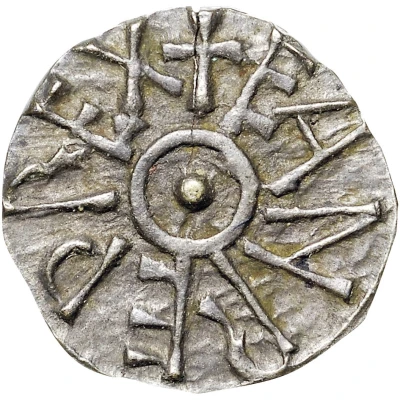
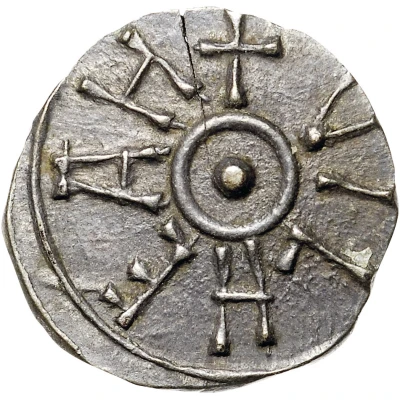
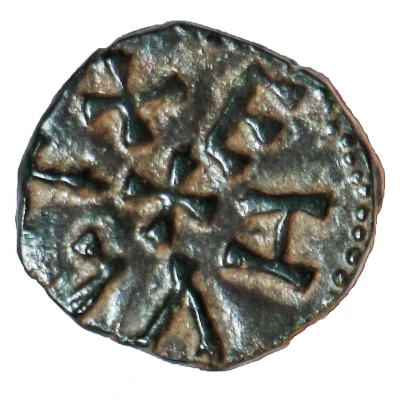
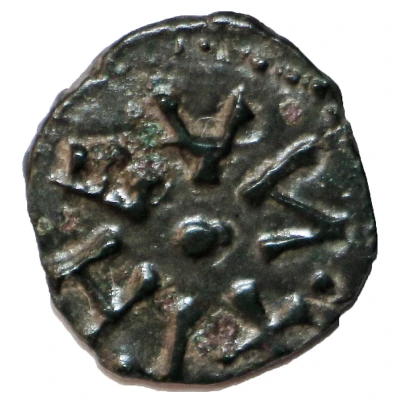
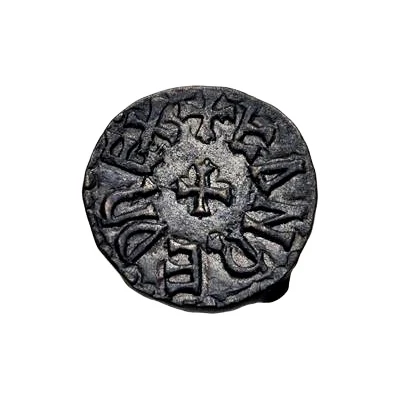
Styca - Eanred
| Copper (alloy) | 1.3 g | 13 mm |
| Issuer | Kingdom of Northumbria (Kingdoms of British Isles and Frisia) |
|---|---|
| King | Eanred (810-841) |
| Type | Standard circulation coin |
| Years | 810-830 |
| Value | 1 Styca |
| Composition | Copper (alloy) |
| Weight | 1.3 g |
| Diameter | 13 mm |
| Shape | Round (irregular) |
| Technique | Hammered |
| Orientation | Variable alignment ↺ |
| Demonetized | Yes |
| Updated | 2024-10-09 |
| Numista | N#55841 |
|---|---|
| Rarity index | 90% |
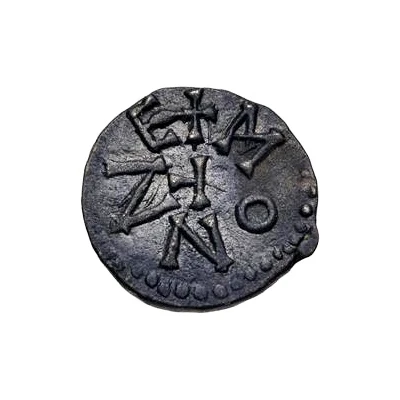
Reverse
Central short cross pattée with moneyer's name around.
Script: Latin
Lettering: + MONNE
Translation: Monne.
Comment
King of Northumbria, Eanred (c.810-c.841), Phase II, Group A. York mint; Monne, moneyer, struck 837-841.Spink SCBC - Northumbria - Styca Coinage - C: Copper Alloy Regal Issues (c.830-c.867). Moneyers for this type:
ALDATES, BADIGILS, BROD[E]R, FORDRED, FVLCNOD, MONNE, ODILO, W[D]IHTRED, VVLFRED, various central motifs.
Interesting fact
One interesting fact about the Standard circulation coin Styca - Eanred (810-830) from Kingdom of Northumbria (Kingdoms of British Isles and Frisia) made of Copper (alloy) weighing 1.3 g is that it features a unique blend of Christian and pagan elements in its design. The coin's obverse side bears an image of a cross, symbolizing the Christian faith, while the reverse side features a depiction of a mythical creature, possibly a dragon or a serpent, which was a common motif in pre-Christian Northumbrian art. This blending of religious symbols reflects the cultural and religious transformations that were taking place in Northumbria during the 9th century.