© Nomos AG
© Nomos AG
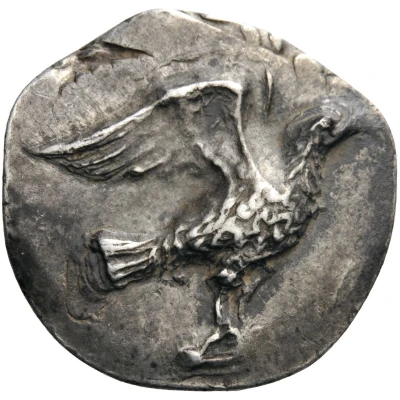
Stater 320 BC - 270 BC
| Silver | 11.47 g | 21.0 mm |
| Issuer | Lyttos (Crete (ancient)) |
|---|---|
| Type | Standard circulation coin |
| Years | 320 BC - 270 BC |
| Value | Silver Stater (3) |
| Currency | Drachm |
| Composition | Silver |
| Weight | 11.47 g |
| Diameter | 21.0 mm |
| Shape | Round (irregular) |
| Technique | Hammered |
| Demonetized | Yes |
| Updated | 2024-10-10 |
| Numista | N#237590 |
|---|---|
| Rarity index | 100% |
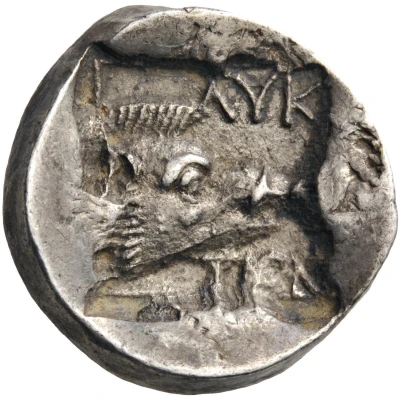
Reverse
Boar’s head to right; within deep and somewhat irregular incuse square
Script: Greek
Lettering:
ΛΥΚ
ΤΙΟΝ
Interesting fact
The Lyttos Stater was used as a form of currency in ancient Crete during the Hellenistic period, and its design features a unique blend of Greek and Minoan influences. The obverse side of the coin depicts a bearded god, believed to be Zeus, while the reverse side features a Minotaur, a mythical creature with the body of a man and the head of a bull, which was a symbol of the Minoan civilization. This coin is a rare example of the cultural exchange and fusion that occurred between the Greeks and the Minoans in ancient Crete.