© The Heberden Coin Room, Ashmolean Museum, University of Oxford
© The Heberden Coin Room, Ashmolean Museum, University of Oxford
Silver Unit - Endubis
| Silver (.900) | 2.24 g | 15.50 mm |
| Issuer | Aksum |
|---|---|
| King | Endubis (circa 275-305) |
| Type | Standard circulation coin |
| Years | 290-305 |
| Composition | Silver (.900) |
| Weight | 2.24 g |
| Diameter | 15.50 mm |
| Thickness | 2.50 mm |
| Shape | Round (irregular) |
| Technique | Hammered |
| Orientation | Variable alignment ↺ |
| Demonetized | Yes |
| Updated | 2024-10-09 |
| Numista | N#70728 |
|---|---|
| Rarity index | 89% |
Reverse
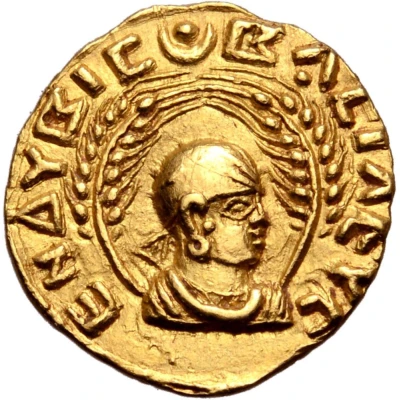
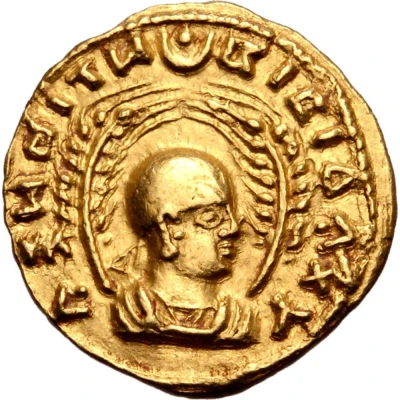
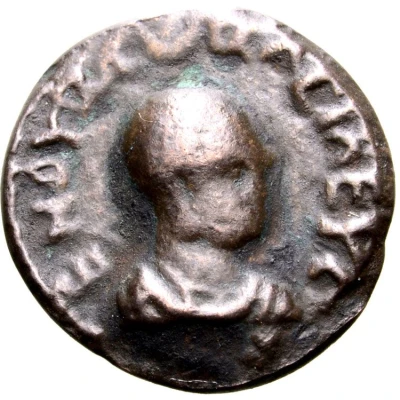
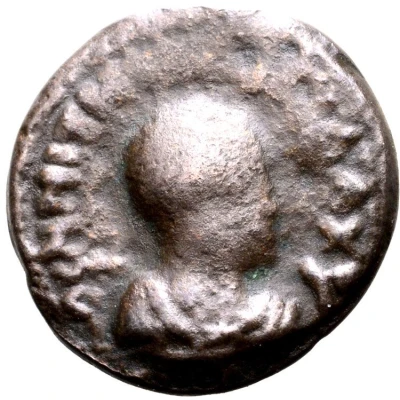
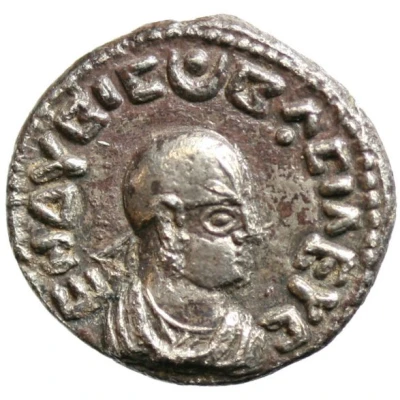
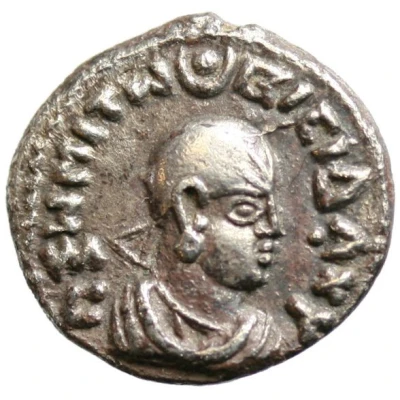
Bust of Endubis right, wearing headcloth ornamented on front and ending with triangular ribbon behind, draped; above, pellet on crescent dividing lettering.
Border of dots.
Script: Greek
Lettering: AξⲰMITⲰ ΒΙСΙ ΔΑΧΥ
Unabridged legend: Άξωμιτών βισι Δαχυ
Translation: [...] of the Aksumites, man of Dakhu
Comment
Weight variation: 2.11-2.36 g.Diameter variation: 15.00-16.00 mm.
Interesting fact
The Endubis coin was used as a form of currency in the Kingdom of Aksum, which was a powerful and influential empire in the Horn of Africa during the 1st to 8th centuries AD. The coin features an image of the king, Endubis, on one side and a cross on the other, reflecting the kingdom's conversion to Christianity in the 4th century. Despite its age, the Endubis coin remains a popular collector's item and a symbol of Aksum's rich history and cultural heritage.