© British Museum
© British Museum
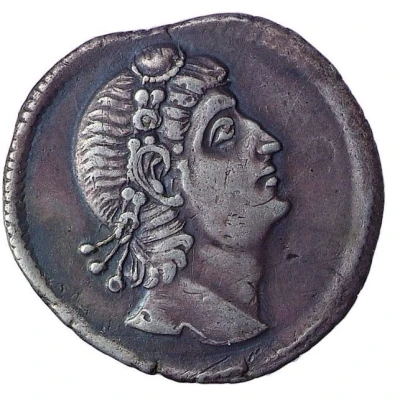
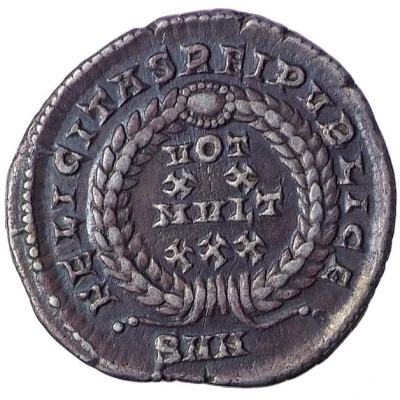
Siliqua - Constantius II FELICITAS REIPVBLICE; Nicomedia
| Silver | 2.99 g | - |
| Issuer | Rome › Roman Empire (27 BC - 395 AD) |
|---|---|
| Emperor | Constantius II (337-361) |
| Type | Standard circulation coin |
| Years | 340-351 |
| Value | Siliqua (1⁄24) |
| Currency | Solidus, Reform of Constantine (AD 310/324 – 395) |
| Composition | Silver |
| Weight | 2.99 g |
| Shape | Round (irregular) |
| Technique | Hammered |
| Orientation | Variable alignment ↺ |
| Demonetized | Yes |
| Updated | 2024-10-04 |
| Numista | N#392077 |
|---|---|
| Rarity index | 100% |
Reverse
Inscription within a wreath
Script: Latin
Lettering:
FELICITAS REI PVBLICE
VOT
XV
MVLT
XX
Unabridged legend: Felicitas Reipublice. Votis Quindecennalibus Multis Vicennalibus.
Translation: Happiness to the Republic. Vows (prayers) on the fifteenth anniversary [of the emperor's rule], more for his [hoped-for] twentieth anniversary.
Interesting fact
One interesting fact about the Siliqua - Constantius II (FELICITAS REIPVBLICE; Nicomedia) coin is that it features an image of the Roman goddess Felicitas, who represents good luck and prosperity, on its reverse side. This suggests that the coin was minted during a time when the Roman Empire was seeking to promote peace and prosperity throughout its territories. Additionally, the fact that the coin was made of silver, a valuable and durable metal, further highlights the importance placed on the coin's message of good fortune and prosperity.