© Noble Numismatics Pty Ltd
© Noble Numismatics Pty Ltd
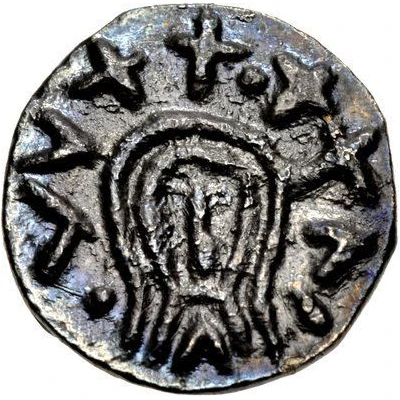
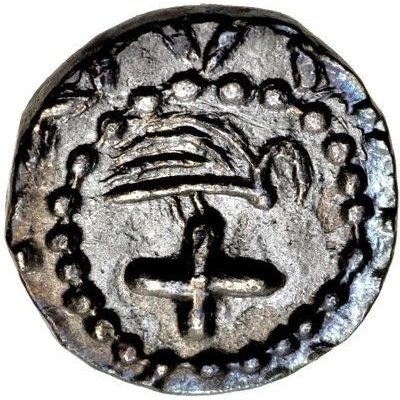
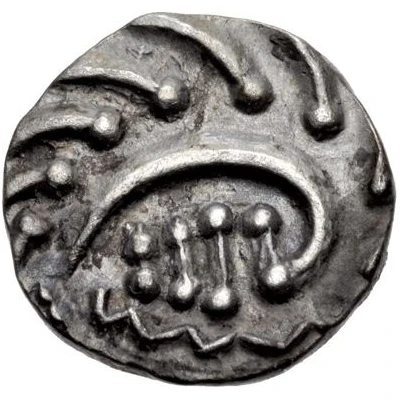
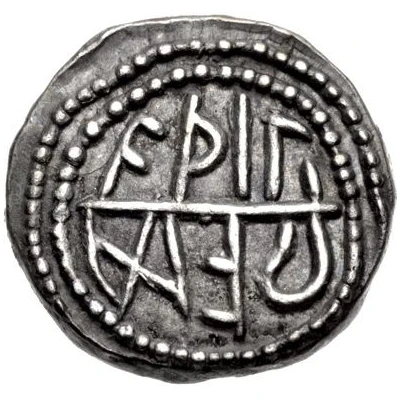
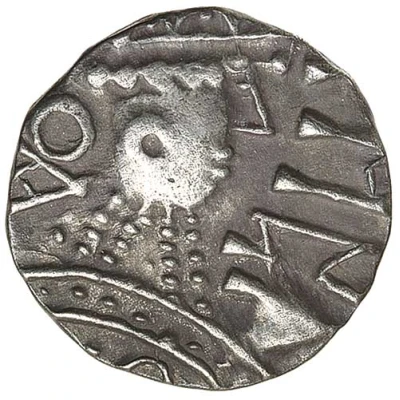
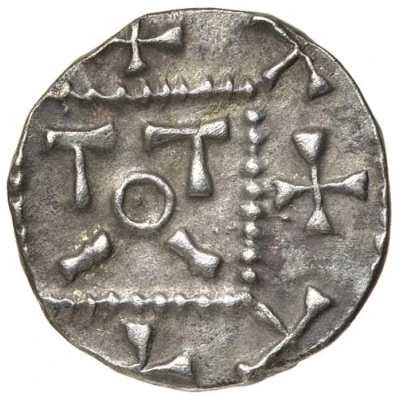
Sceat Series C
| Silver | 1.3 g | 12 mm |
| Issuer | Early Anglo-Saxon (Kingdoms of British Isles and Frisia) |
|---|---|
| Type | Standard circulation coin |
| Years | 680-710 |
| Value | 1 Sceat |
| Composition | Silver |
| Weight | 1.3 g |
| Diameter | 12 mm |
| Shape | Round (irregular) |
| Technique | Hammered |
| Demonetized | Yes |
| Updated | 2024-10-09 |
| Numista | N#90360 |
|---|---|
| Rarity index | 94% |
Reverse
'Standard' reverse.
Lettering: TOTII
Comment
Early Anglo-Saxon period (c.600-c.775), Sceatta coinage (c.675-c.760), Primary phase issues (c.680-c.710), Series C. Abr. 4; BMC 2bVarious styles minted in various regions of south-eastern and eastern England.
For further detail on these and other early Anglo-Saxon English coins, please see:
Thrymsas and Sceattas in the Ashmolean Museum, Oxford, Vols I-III by D.M. Metcalf.
Interesting fact
One interesting fact about the Standard circulation coin Sceat (Series C) (680-710) from Early Anglo-Saxon (Kingdoms of British Isles and Frisia) made of Silver weighing 1.3 g is that it features a unique blend of Christian and pagan elements in its design. The coin's obverse (front) side features a cross, which symbolizes the Christian faith, while the reverse (back) side features a depiction of a bird, which is a common motif in pre-Christian Anglo-Saxon art and symbolizes the connection to the natural world. This blending of religious symbols reflects the cultural and religious shifts that were taking place in Early Anglo-Saxon society during this time period.