© Numismatica Ars Classica NAC AG
© Numismatica Ars Classica NAC AG
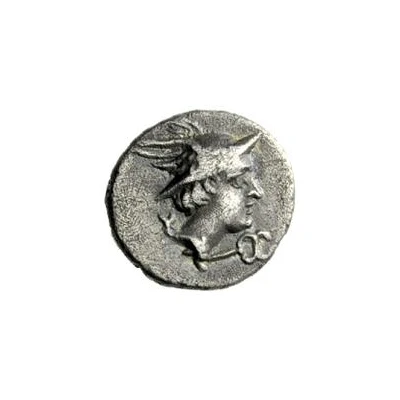
Obol With caduceus 280 BC - 275 BC
| Silver | 0.69 g | 12 mm |
| Issuer | Signia (Latium) |
|---|---|
| Type | Standard circulation coin |
| Years | 280 BC - 275 BC |
| Value | 1 Obol |
| Currency | Obol (circa 280-275 BC) |
| Composition | Silver |
| Weight | 0.69 g |
| Diameter | 12 mm |
| Shape | Round (irregular) |
| Technique | Hammered |
| Demonetized | Yes |
| Updated | 2024-10-10 |
| Numista | N#184869 |
|---|---|
| Rarity index | 100% |
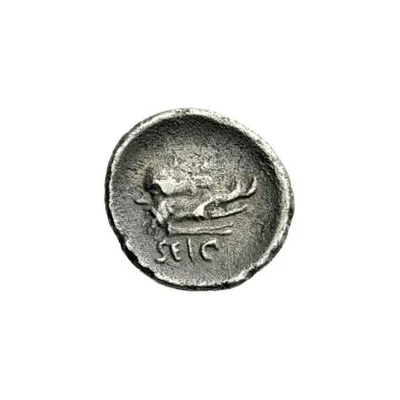
Reverse
Mask of Vulcan facing right and boar facing left, all with legend below.
Script: Latin
Lettering: SEIC
Translation: Signia
Interesting fact
The Obol coin with the caduceus symbol on it was used as a form of currency in ancient Signia (now known as Latium) during the 3rd century BC. The caduceus, which is a staff entwined with two snakes, was a symbol of commerce and trade, and it's believed that the inclusion of this symbol on the coin was meant to represent the city's strong economic ties and its role as a center of trade in the region.
Price
| Date | Mintage | VG | F | VF | XF | AU | UNC |
|---|---|---|---|---|---|---|---|
| ND (280 BC - 275 BC) | - | - | - | - | - | - |
Values in the table are based on evaluations by sales realized on Internet platforms. They serve as an indication only for Obol (With caduceus) (280 BC - 275 BC) coin.