© Quiquengrogne
© Quiquengrogne
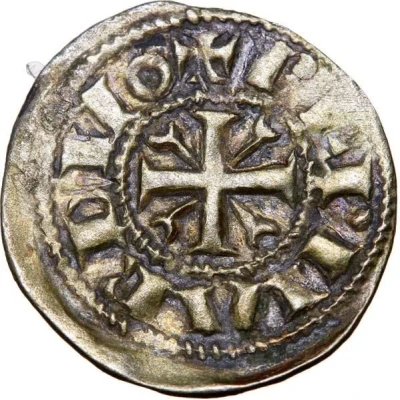
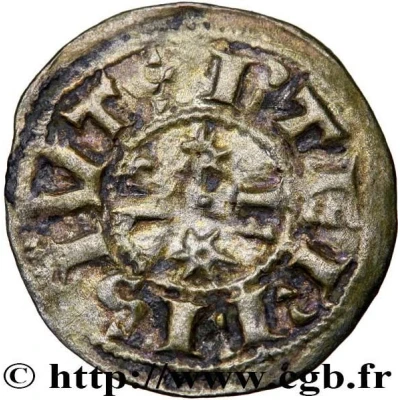
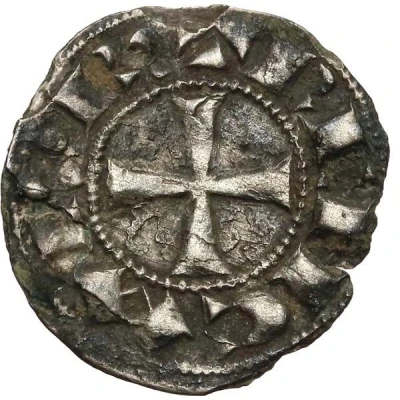
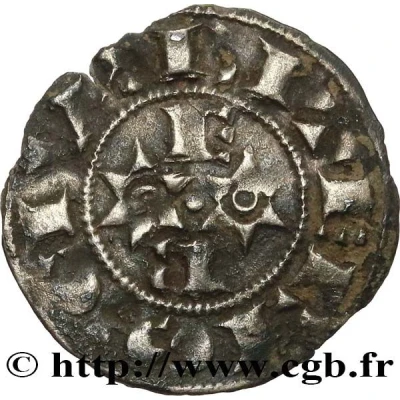
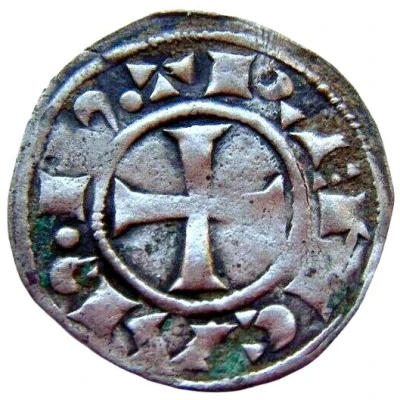
Obol - Raymond Trencavel ND
| Billon | 0.36 g | 13.5 mm |
| Issuer | Viscounty of Béziers (French States) |
|---|---|
| Viscount | Raymond Trencavel (1150-1167) |
| Type | Standard circulation coin |
| Years | 1150-1167 |
| Value | 1 Obol (1⁄480) |
| Composition | Billon |
| Weight | 0.36 g |
| Diameter | 13.5 mm |
| Shape | Round (irregular) |
| Technique | Hammered |
| Orientation | Variable alignment ↺ |
| Demonetized | Yes |
| Updated | 2024-10-04 |
| Numista | N#183422 |
|---|---|
| Rarity index | 97% |
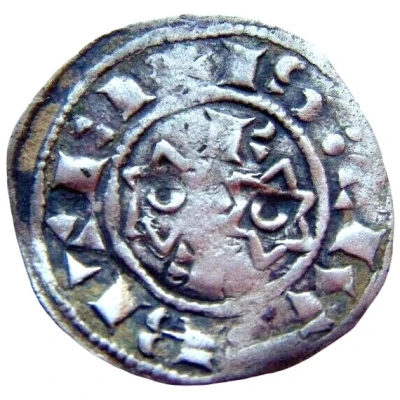
Reverse
Two R and two stars framing a cross.
Script: Latin
Lettering: BITERIഗ : CIV’
Unabridged legend: Biteris civitas
Translation: City of Beziers.
Interesting fact
One interesting fact about the Obol coin is that it was used as a form of currency during the Middle Ages in the Viscounty of Béziers, which is now part of modern-day France. The coin was made of billon, a type of alloy that consists of a mixture of silver and other metals, and weighed only 0.36 grams, making it a very small and lightweight coin. Despite its small size, the Obol was an important part of the local economy and was used for everyday transactions.