© Nomos AG
© Nomos AG
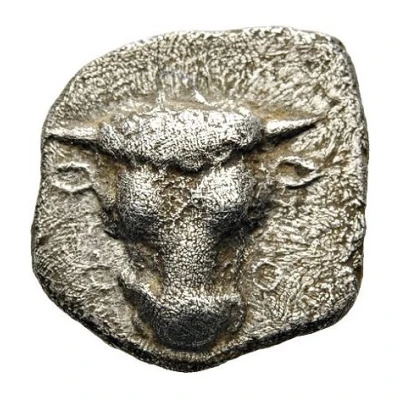
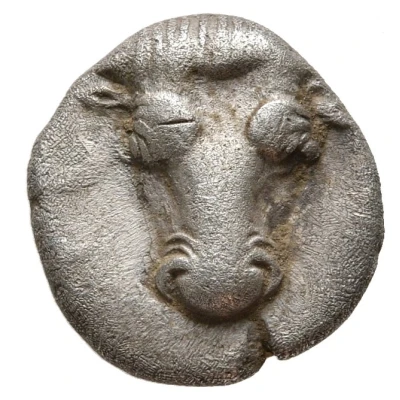
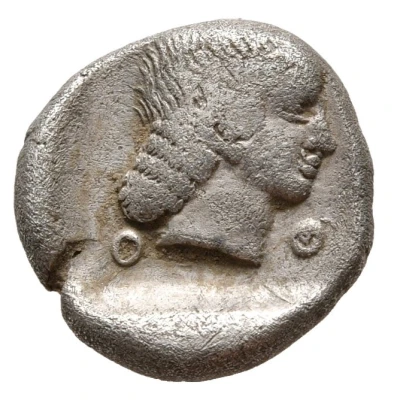
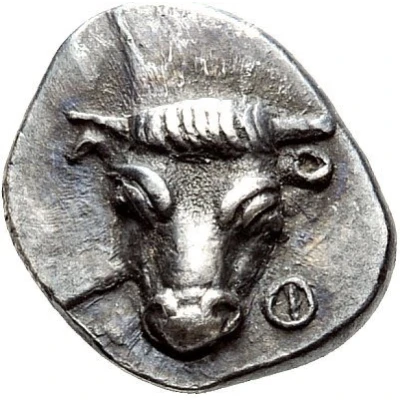
Obol Nikaia 420 BC - 400 BC
| Silver | 1.06 g | - |
| Issuer | Federal Coinage of Phokis |
|---|---|
| Type | Standard circulation coin |
| Years | 420 BC - 400 BC |
| Value | Obol (⅙) |
| Currency | Drachm |
| Composition | Silver |
| Weight | 1.06 g |
| Shape | Round (irregular) |
| Technique | Hammered, Incuse |
| Demonetized | Yes |
| Updated | 2024-10-10 |
| Numista | N#184371 |
|---|---|
| Rarity index | 100% |
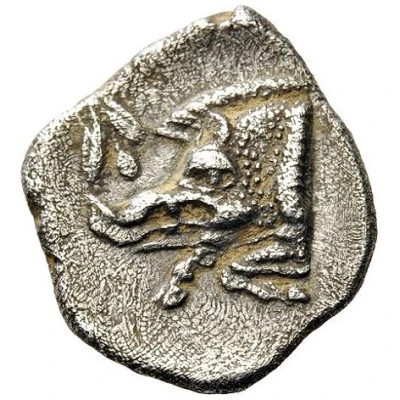
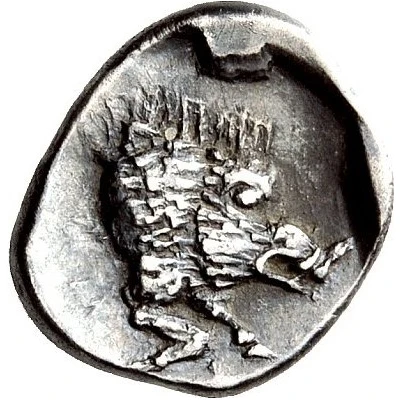
Reverse
Forepart of boar to right showing both forelegs. Around, remains of incuse square
Interesting fact
The Obol (Nikaia) coin was used as a form of currency in ancient Greece, specifically in the city-state of Phokis, and it features an image of a dolphin on one side and a helmeted head of the goddess Nike on the other. The use of dolphins on coins was a common motif in ancient Greece, as dolphins were considered sacred animals and were associated with the sea god Poseidon. The image of Nike, the goddess of victory, was also a popular choice for coins, as it symbolized the power and prestige of the city-state.