© Jean Elsen & ses Fils s.a.
© Jean Elsen & ses Fils s.a.
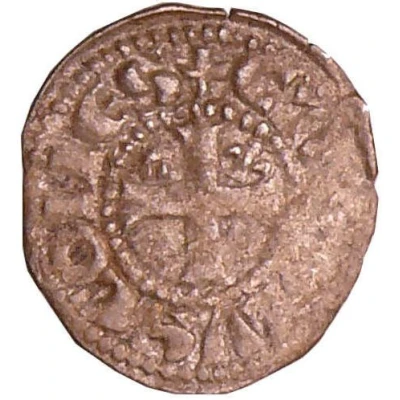
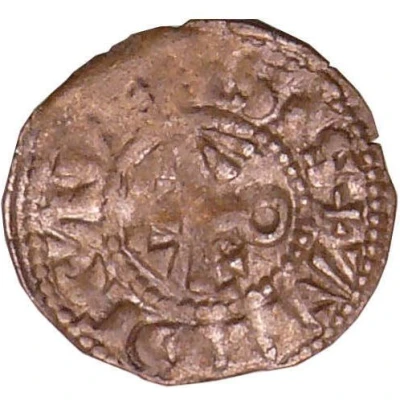
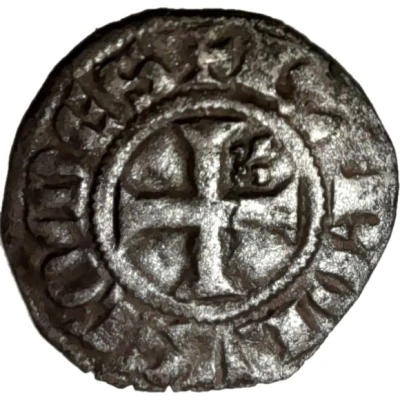
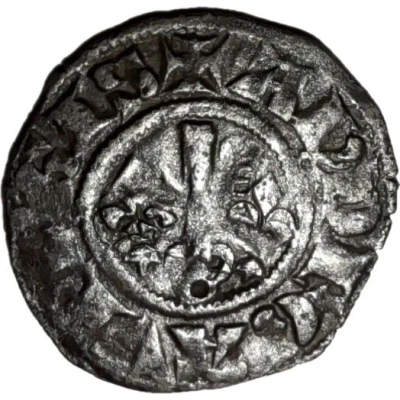
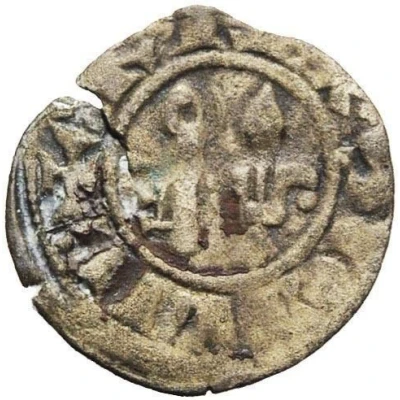
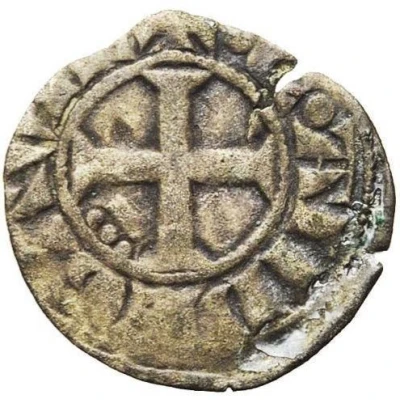
Obol - Charles II ND
| Billon | 0.46 g | - |
| Issuer | County of Anjou (French States) |
|---|---|
| Count | Charles II the Lame (1285-1290) |
| Type | Standard circulation coin |
| Years | 1285-1290 |
| Value | 1 Obol (1⁄480) |
| Currency | Livre |
| Composition | Billon |
| Weight | 0.46 g |
| Shape | Round (irregular) |
| Technique | Hammered |
| Orientation | Variable alignment ↺ |
| Demonetized | Yes |
| Updated | 2024-10-04 |
| Numista | N#331956 |
|---|---|
| Rarity index | 97% |
Reverse
Cross with a crown in fourth quarter.
Script: Latin
Lettering: ✠ C• ANDEGAVIE
Translation: Count of Anjou.
Interesting fact
One interesting fact about the Obol coin is that it was used as a form of currency in the County of Anjou, which was a region in western France that was ruled by the House of Anjou, a powerful noble family. The coin was made of billon, a type of alloy that is composed of a mixture of metals, and it weighed 0.46 grams. Despite its small size, the Obol was an important part of the local economy and was used for everyday transactions.