© Classical Numismatic Group, Inc.
© Classical Numismatic Group, Inc.
Obol 480 BC - 450 BC
| Silver | 0.72 g | 9.0 mm |
| Issuer | Dikaia (Thrace) |
|---|---|
| Type | Standard circulation coin |
| Years | 480 BC - 450 BC |
| Value | Obol (⅙) |
| Currency | Drachm |
| Composition | Silver |
| Weight | 0.72 g |
| Diameter | 9.0 mm |
| Shape | Round (irregular) |
| Technique | Hammered, Incuse |
| Demonetized | Yes |
| Updated | 2024-10-10 |
| Numista | N#171006 |
|---|---|
| Rarity index | 97% |
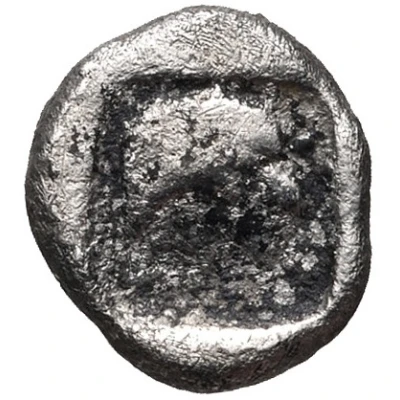
Reverse
Head of Herakles right, wearing lion skin; all within incuse square
Interesting fact
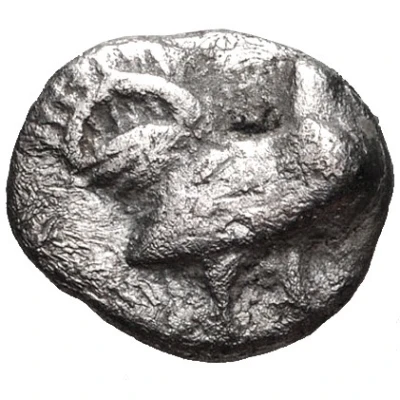
The Obol coin from Dikaia (Thrace) was used as a form of currency in ancient Greece and its design has been found to be quite unique. The coin features a distinctive symbol on one side, known as the "owel" symbol, which resembles a stylized owl. This symbol has been interpreted as a representation of the goddess Athena, who was revered for her wisdom and association with owls. The use of this symbol on the coin may have been a way to signify the coin's value and authenticity, as well as to pay homage to the goddess.