© Nomos AG
© Nomos AG
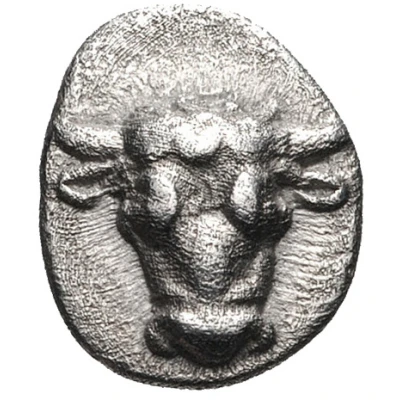
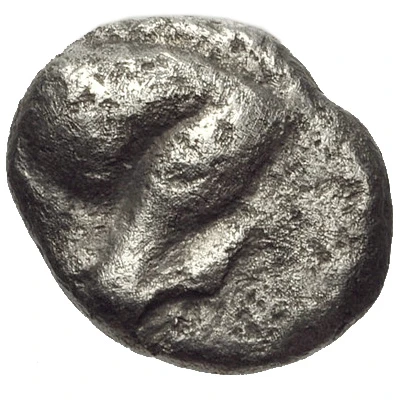
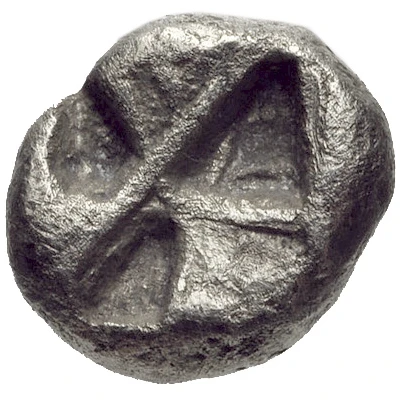
Obol 400 BC - 350 BC
| Silver | 0.89 g | 11.0 mm |
| Issuer | Phlious (Phliasia) |
|---|---|
| Type | Standard circulation coin |
| Years | 400 BC - 350 BC |
| Value | Obol (⅙) |
| Currency | Drachm |
| Composition | Silver |
| Weight | 0.89 g |
| Diameter | 11.0 mm |
| Shape | Round (irregular) |
| Technique | Hammered |
| Demonetized | Yes |
| Updated | 2024-10-10 |
| Numista | N#143563 |
|---|---|
| Rarity index | 100% |
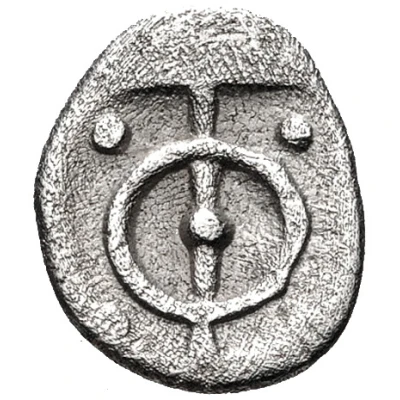
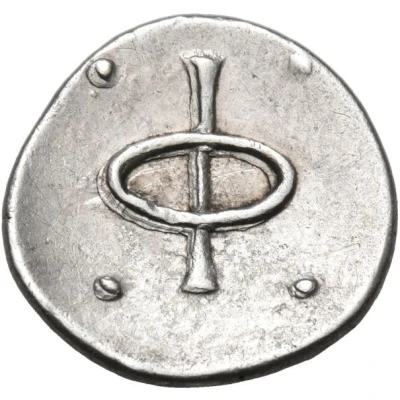
Reverse
Large letter F with four pellets around it
Interesting fact
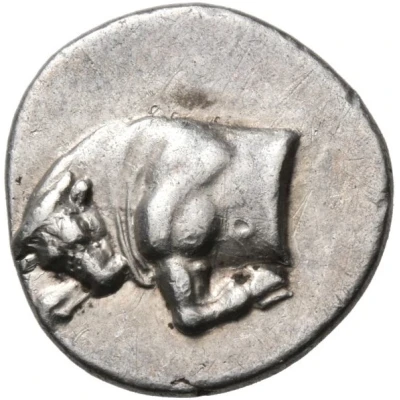
The Obol coin was used as a form of currency in ancient Greece, specifically in the city-state of Phlious (Phliasia) during the 4th century BC. The coin features an image of a grape cluster on one side and a dolphin on the other, which symbolizes the city's agricultural and maritime economy. The use of this coin as a medium of exchange shows how the people of Phlious valued trade and commerce, and how they used currency to facilitate economic transactions.