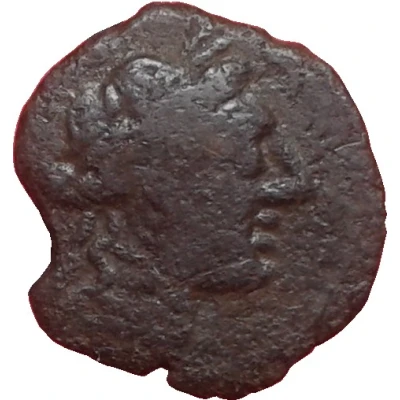
© Monéphil (CC BY-NC)
© Monéphil (CC BY-NC)
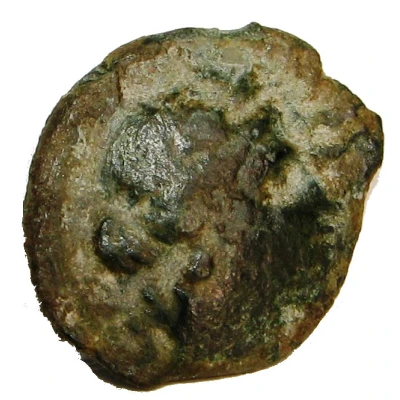
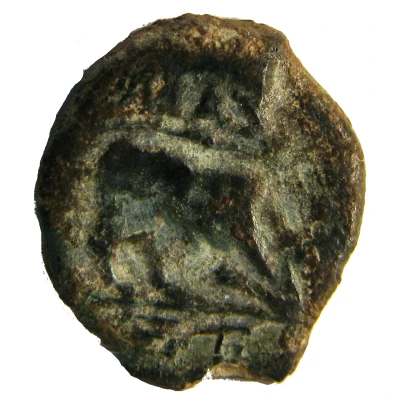
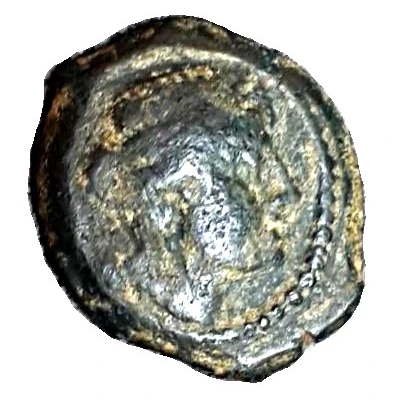
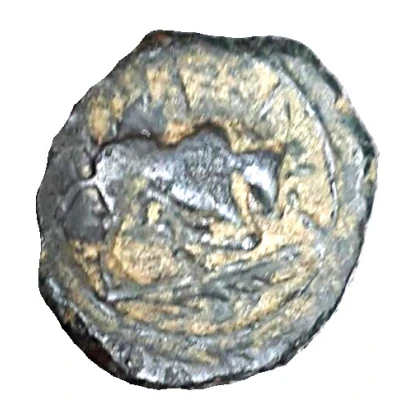
Hemiobol Bull; ΔΑ 130 BC - 121 BC
| Bronze | 2.72 g | 15 mm |
| Issuer | Massalia (Gaul) |
|---|---|
| Type | Standard circulation coin |
| Years | 130 BC - 121 BC |
| Value | Hemiobol (1⁄12) |
| Currency | Phocaean Drachm |
| Composition | Bronze |
| Weight | 2.72 g |
| Diameter | 15 mm |
| Shape | Round (irregular) |
| Technique | Hammered |
| Orientation | Variable alignment ↺ |
| Demonetized | Yes |
| Updated | 2024-10-10 |
| Numista | N#29431 |
|---|---|
| Rarity index | 85% |
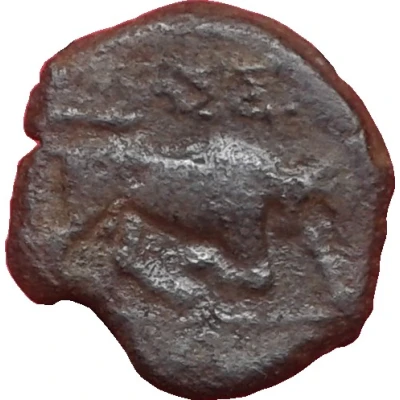
Reverse
Bull butting right
Script: Greek
Lettering:
ΜΑΣΣΑ
ΔΑ
Translation: Massalia
Edge
Plain
Interesting fact
The Hemiobol coin from Massalia (Gaul) features a unique blend of Greek and Celtic influences in its design. The obverse side of the coin depicts a bull, which is a common motif in ancient Greek coinage, while the reverse side features the Greek letter delta (Δ) followed by the letter alpha (α), which is a nod to the Celtic culture of the region. This blending of cultural influences reflects the rich history of trade and cultural exchange that took place in the ancient Mediterranean world.