© Classical Numismatic Group, Inc.
© Classical Numismatic Group, Inc.
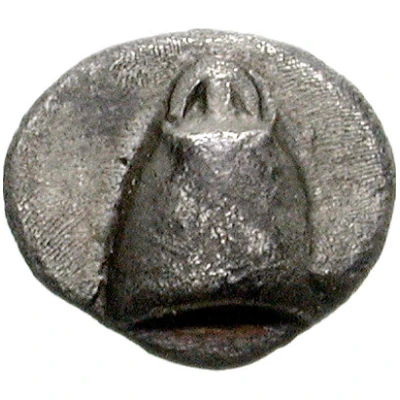
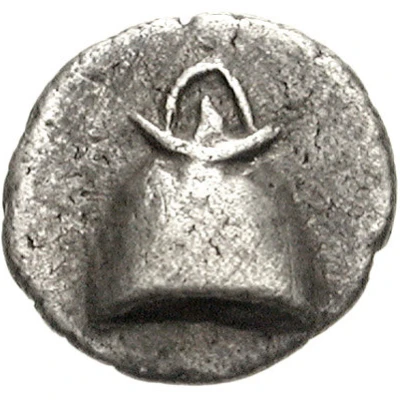
Hemiobol 425 BC - 364 BC
| Silver | 0.38 g | 7.0 mm |
| Issuer | Orchomenos of Boeotia |
|---|---|
| Type | Standard circulation coin |
| Years | 425 BC - 364 BC |
| Value | Hemiobol (1⁄12) |
| Currency | Drachm |
| Composition | Silver |
| Weight | 0.38 g |
| Diameter | 7.0 mm |
| Shape | Round (irregular) |
| Technique | Hammered |
| Demonetized | Yes |
| Updated | 2024-10-09 |
| Numista | N#146637 |
|---|---|
| Rarity index | 100% |
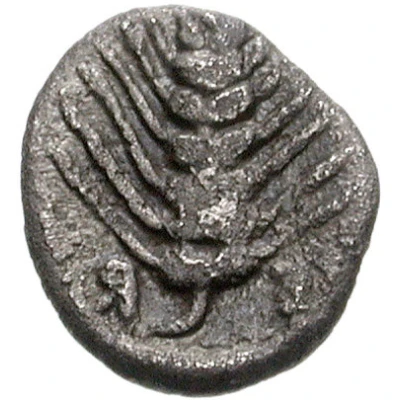
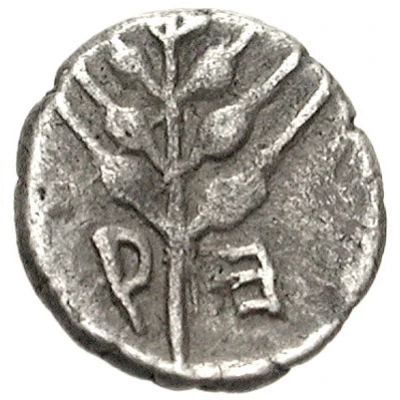
Reverse
Wheat ear upwards
Script: Greek
Interesting fact
The Hemiobol coin from Orchomenos of Boeotia, made of silver and weighing 0.38g, is interesting because it was used as a form of currency in ancient Greece during the 4th century BC. It was a small denomination coin, equal to half an obol, and was used in everyday transactions. Despite its small value, it was made of silver, which was a valuable metal at the time, indicating the wealth and prosperity of the city-state of Orchomenos. Additionally, the coin features an image of a mythical creature, possibly a griffin or a sphinx, which was a common motif in ancient Greek art and symbolized the city's connection to the myths and legends of the time.