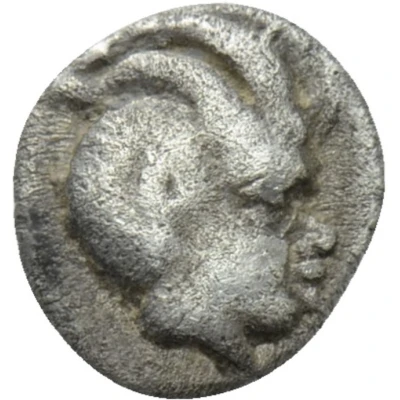
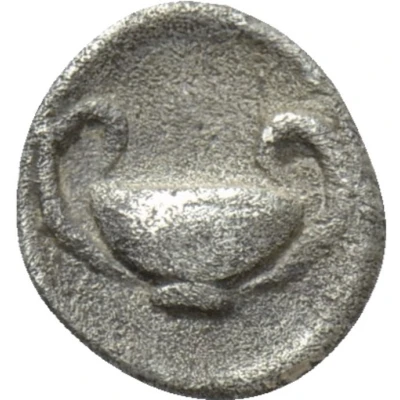
© Numismatik Naumann GmbH
© Numismatik Naumann GmbH
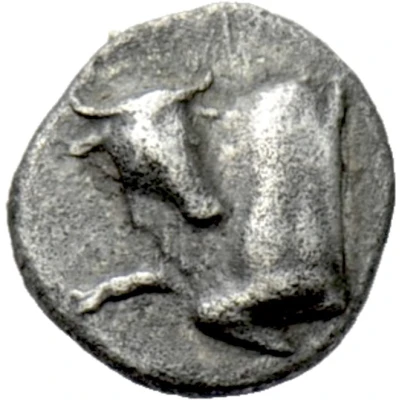
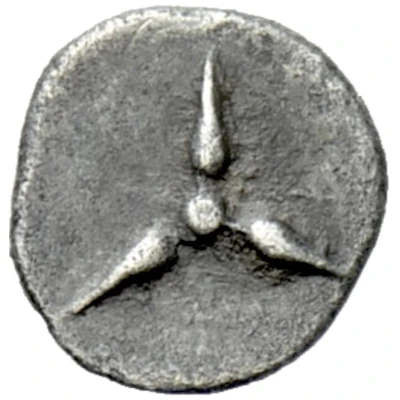
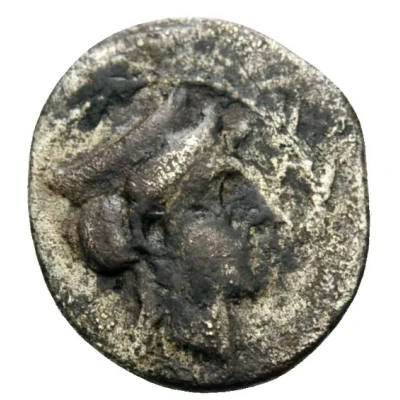
Hemiobol 400 BC - 300 BC
| Silver | 0.36 g | 7.0 mm |
| Issuer | Uncertain Greek city (Greece (ancient)) |
|---|---|
| Type | Standard circulation coin |
| Years | 400 BC - 300 BC |
| Value | Hemiobol (1⁄12) |
| Composition | Silver |
| Weight | 0.36 g |
| Diameter | 7.0 mm |
| Shape | Round (irregular) |
| Technique | Hammered |
| Demonetized | Yes |
| Updated | 2024-10-10 |
| Numista | N#181378 |
|---|---|
| Rarity index | 100% |
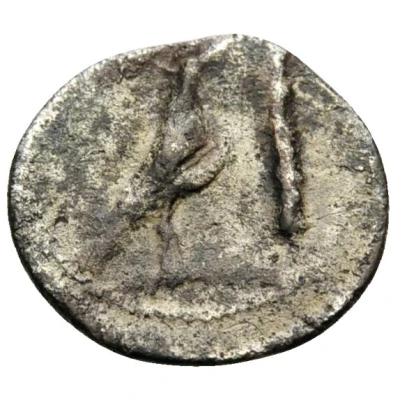
Reverse
Kylix
Interesting fact
One interesting fact about the Hemiobol coin is that it was used as a form of currency in ancient Greece during a time when most cities were still using bartering or trade-by-exchange systems. The Hemiobol was a standardized coin that was widely accepted and used for trade, making it an early example of a widely-accepted currency in the ancient world.