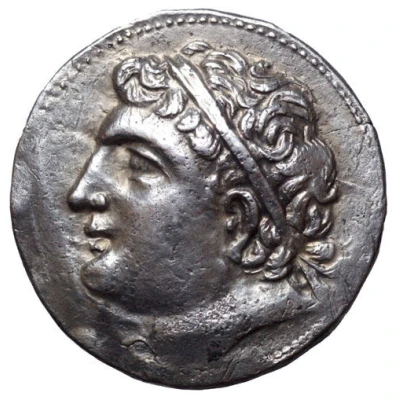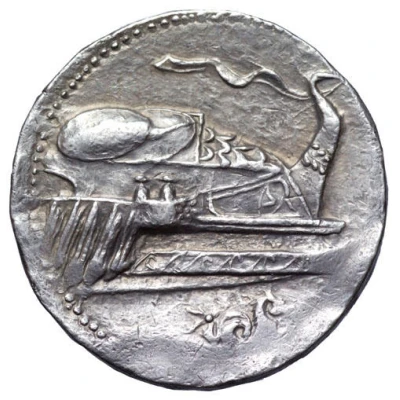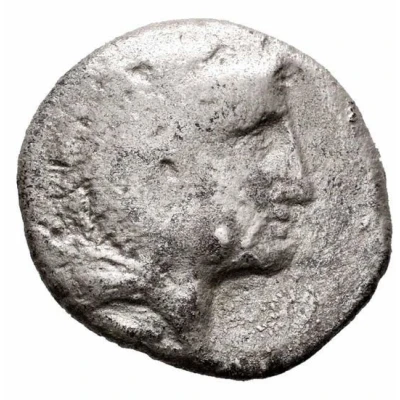
© Tauler & Fau Subastas
© Tauler & Fau Subastas
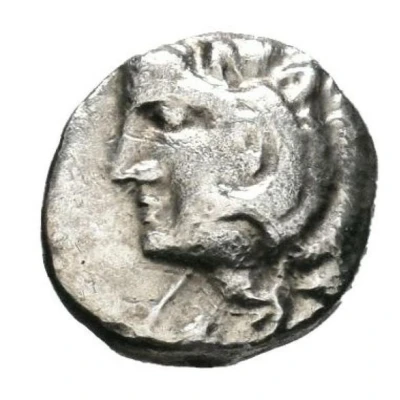
Hemiobol 250 BC - 206 BC
| Silver | 0.46 g | - |
| Issuer | Gadir (Punic Iberia) |
|---|---|
| Type | Standard circulation coin |
| Years | 250 BC - 206 BC |
| Value | Hemiobol (1⁄12) |
| Composition | Silver |
| Weight | 0.46 g |
| Shape | Round (irregular) |
| Technique | Hammered |
| Demonetized | Yes |
| Updated | 2024-10-09 |
| Numista | N#333098 |
|---|---|
| Rarity index | 100% |
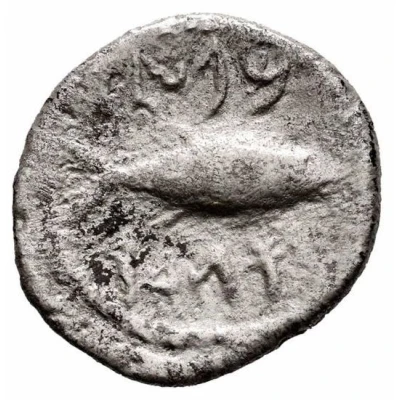
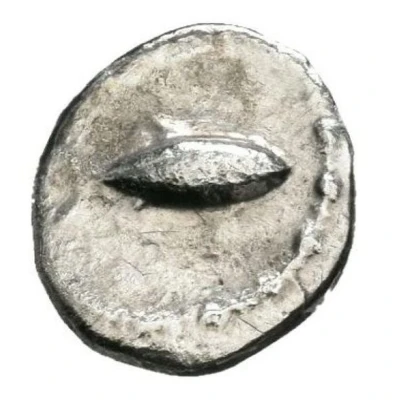
Reverse
Tunny fish right.
Interesting fact
The Hemiobol coin was used as a form of currency in Punic Iberia, which was a region in the Iberian Peninsula that was colonized by the Phoenicians and later became a Carthaginian territory. The coin's design featured the image of a dolphin, which was a symbol of the Phoenician god Baal, and the reverse side had a pattern of waves. The use of the dolphin image on the coin was a nod to the region's maritime history and the importance of the sea in the Phoenician culture.