© Classical Numismatic Group, Inc.
© Classical Numismatic Group, Inc.
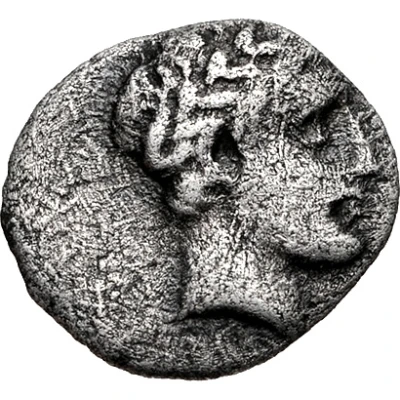
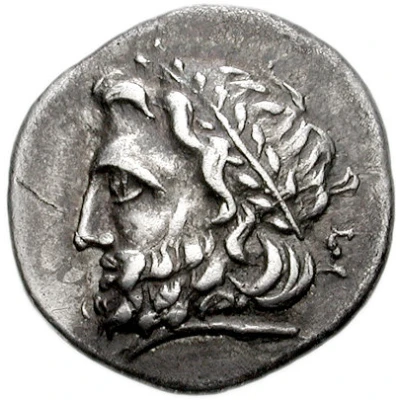
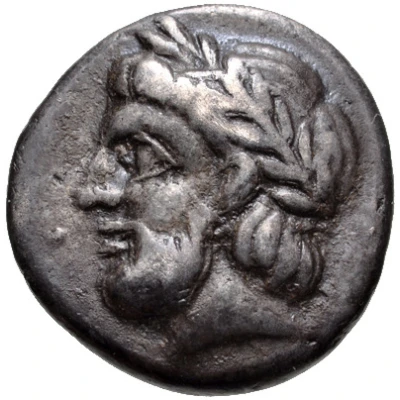
Hemidrachm 295 BC - 250 BC
| Silver | 2.53 g | 13.0 mm |
| Issuer | Epidauros (Argolis) |
|---|---|
| Type | Standard circulation coin |
| Years | 295 BC - 250 BC |
| Value | Hemidrachm (½) |
| Currency | Drachm |
| Composition | Silver |
| Weight | 2.53 g |
| Diameter | 13.0 mm |
| Shape | Round (irregular) |
| Technique | Hammered |
| Demonetized | Yes |
| Updated | 2024-10-09 |
| Numista | N#144535 |
|---|---|
| Rarity index | 100% |
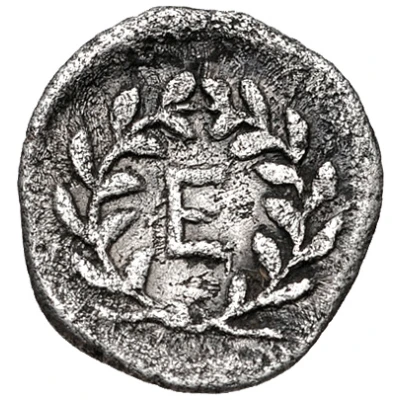
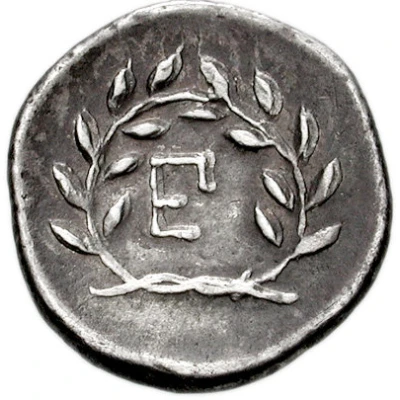
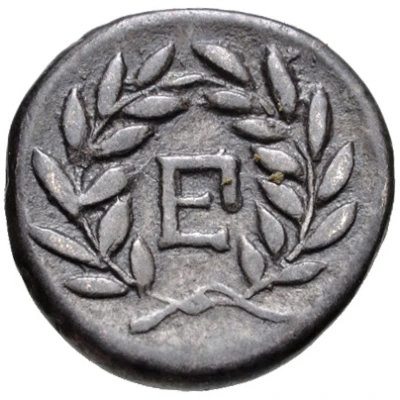
Reverse
EΠ monogram within wreath
Script: Greek
Lettering: ΕΠ
Interesting fact
The Hemidrachm coin from Epidauros (Argolis) was used as a form of currency in ancient Greece during the 3rd century BC. The coin features the image of a mythical creature called a "chimera" on one side, and the profile of a woman on the other. The Chimera was a creature that was composed of the physical features of multiple animals, such as a lion's head, a goat's body, and a serpent's tail. It was believed to have the power to ward off evil spirits and bring good luck. The woman depicted on the other side of the coin is thought to be a representation of the goddess Hera, who was revered as the protector of marriage and childbirth. It's fascinating to think that this coin was used in everyday transactions and was a symbol of the cultural and religious beliefs of the people who used it.