© Classical Numismatic Group, Inc.
© Classical Numismatic Group, Inc.
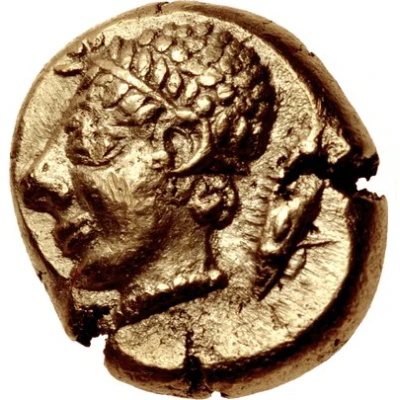
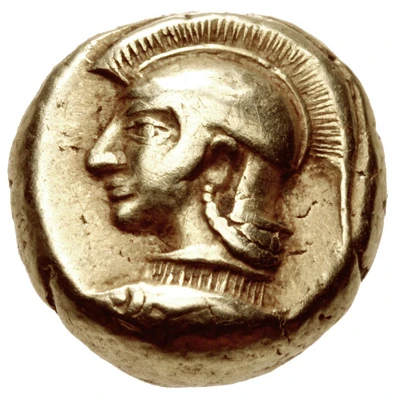
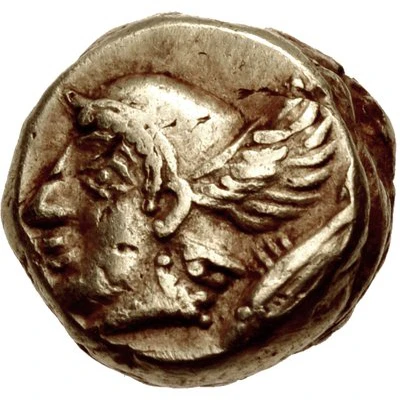
Hekte 550 BC - 500 BC
| Electrum | 2.59 g | 10.0 mm |
| Issuer | Kyzikos (Mysia) |
|---|---|
| Period | City administration (600 BC - 1 AD) |
| Type | Standard circulation coin |
| Years | 550 BC - 500 BC |
| Value | Hekte (⅙) |
| Currency | Electrum Stater (600-330BC) |
| Composition | Electrum |
| Weight | 2.59 g |
| Diameter | 10.0 mm |
| Shape | Round (irregular) |
| Technique | Hammered, Incuse |
| Demonetized | Yes |
| Updated | 2024-10-10 |
| Numista | N#133997 |
|---|---|
| Rarity index | 100% |
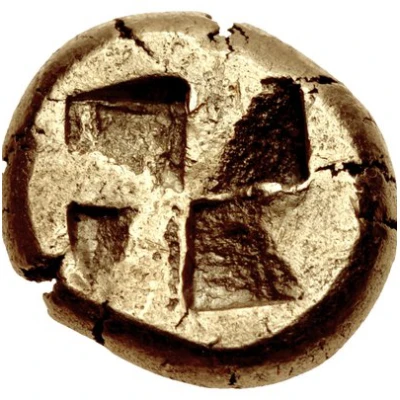
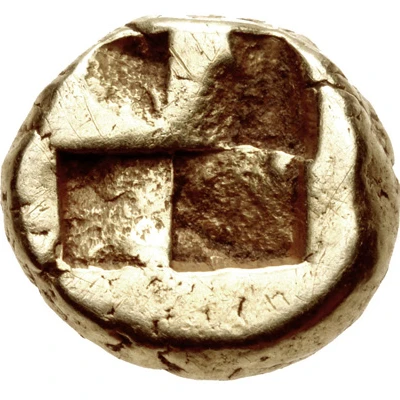
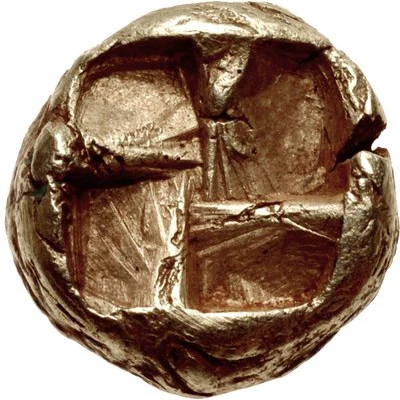
Reverse
Quadripartite incuse square.
Interesting fact
The Hekte coin was used as a form of currency in the ancient city of Kyzikos (now known as Mysia) in modern-day Turkey, and it features an image of a lion's head on one side and an inscription on the other. Despite its small size, the coin was valued at one-third of a standard Persian daric, which was the main currency used in the Persian Empire at the time. This shows that the Hekte coin was a significant currency in the region and played an important role in the economy of Kyzikos.