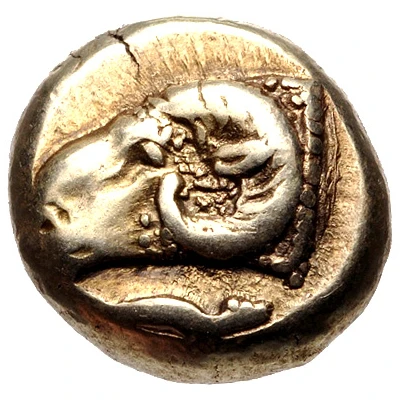
© Classical Numismatic Group, Inc.
© Classical Numismatic Group, Inc.
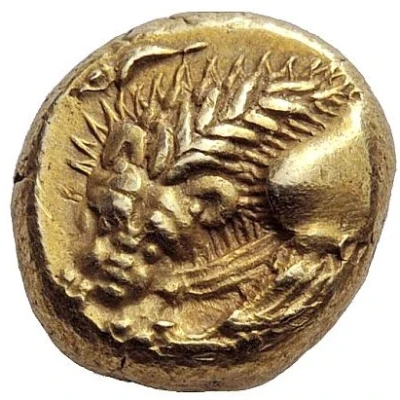
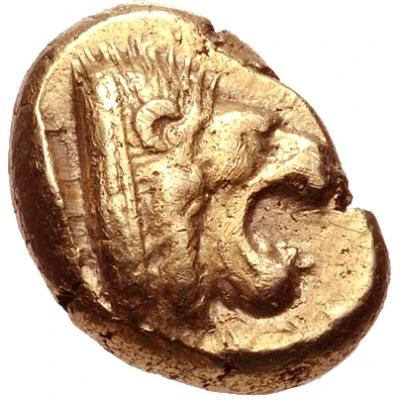
Hekte 521 BC - 478 BC
| Electrum | 2.52 g | 10.0 mm |
| Issuer | Phokaia (Ionia) |
|---|---|
| Type | Standard circulation coin |
| Years | 521 BC - 478 BC |
| Value | Hekte (10⁄3) |
| Currency | Drachm |
| Composition | Electrum |
| Weight | 2.52 g |
| Diameter | 10.0 mm |
| Shape | Round (irregular) |
| Technique | Hammered, Incuse |
| Demonetized | Yes |
| Updated | 2024-10-10 |
| Numista | N#147908 |
|---|---|
| Rarity index | 100% |
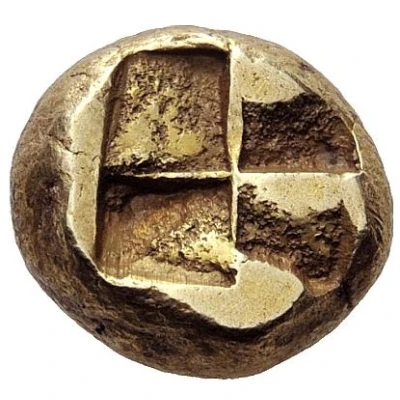
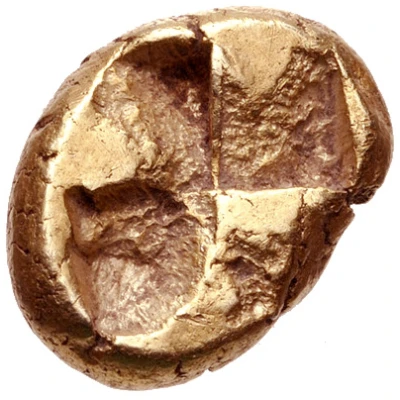
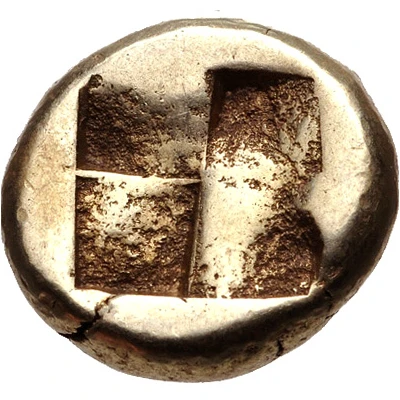
Reverse
Quadripartite incuse square
Interesting fact
The Hekte coin was used as a form of currency in the ancient Greek city of Phokaia (Ionia) during the 6th century BC. Despite its small weight of 2.52 grams, it was considered a valuable unit of exchange, equivalent to a day's wage for a skilled worker. Its value was based on the scarcity of electrum, a naturally occurring alloy of gold and silver that was highly prized in ancient times. The coin's design featured an image of a lion's head, which symbolized the city's strength and power.