© Nomos AG
© Nomos AG
Dilitron 466 BC - 405 BC
| Gold | 1.86 g | 12.5 mm |
| Issuer | Syracuse (Sicily) |
|---|---|
| Type | Standard circulation coin |
| Years | 466 BC - 405 BC |
| Value | 20 Litrai |
| Currency | Litra |
| Composition | Gold |
| Weight | 1.86 g |
| Diameter | 12.5 mm |
| Shape | Round (irregular) |
| Technique | Hammered |
| Orientation | Variable alignment ↺ |
| Demonetized | Yes |
| Updated | 2024-10-10 |
| Numista | N#181234 |
|---|---|
| Rarity index | 100% |
Reverse
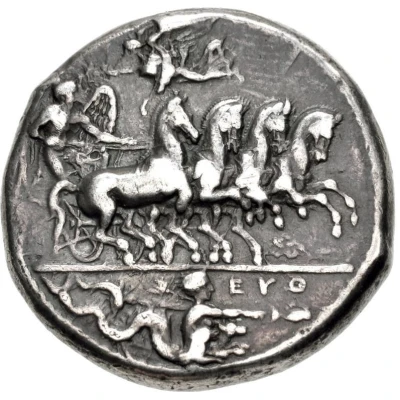
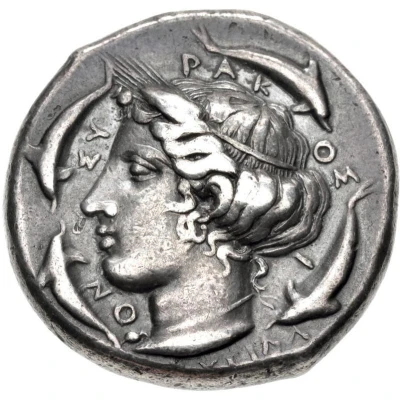
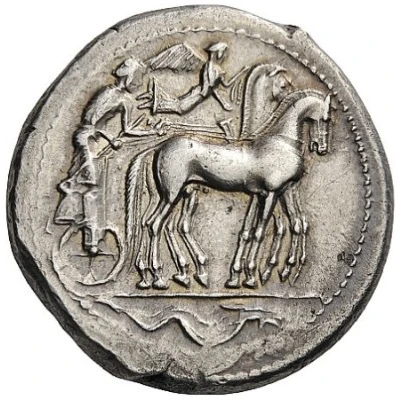
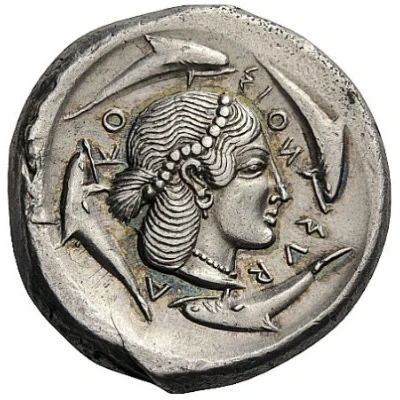
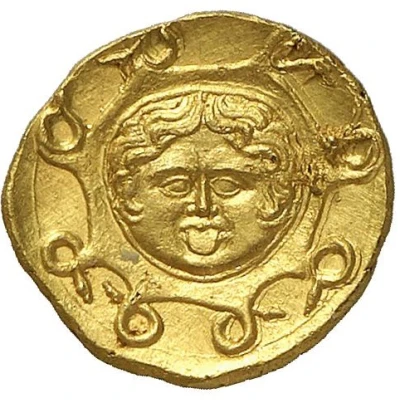
Facing head of the Medusa, with tongue outstretched, at the center of an aegis ornamented with coiling snakes
Comment
Boehringer, Münzprägungen, p. 66, pl. 1, 5; Boehringer, Ehrenrettung, pl. 2, 7; Boehringer, Finanzpolitik, pl. 38, 12; Boehringer, Bronze, p. 55, n. 24, fig. E13; Fischer-Bossert, Coins, p. 68, n. 119; HGC 2, –.
Only seven specimens known, struck from 1 obverse and 3 reverse dies.
Interesting fact
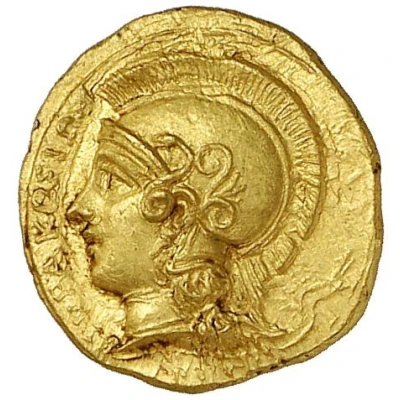
The Dilitron coin from Syracuse (Sicily) is interesting because it features a unique blend of Greek and indigenous Sicilian influences in its design. The obverse side of the coin depicts the head of the Greek goddess Athena, while the reverse side features a Sicilian triskelion, a symbol of the island's native inhabitants. This blending of cultures reflects the rich history of Sicily, which was colonized by the Greeks in the 8th century BC and later became a major center of Greek culture and trade.
Price
| Date | Mintage | VG | F | VF | XF | AU | UNC |
|---|---|---|---|---|---|---|---|
| ND (466 BC - 405 BC) | - | - | - | - | - | - |
Values in the table are based on evaluations by sales realized on Internet platforms. They serve as an indication only for Dilitron (466 BC - 405 BC) coin.