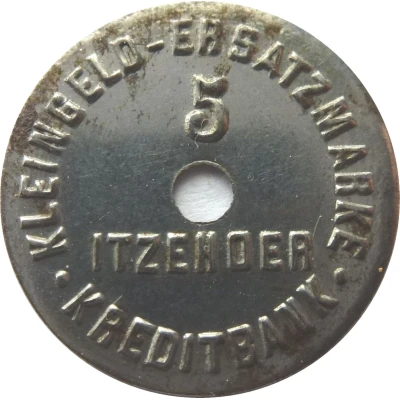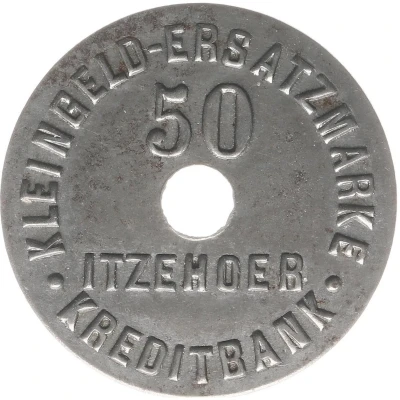
© Heritage Auctions Europe
© Heritage Auctions Europe
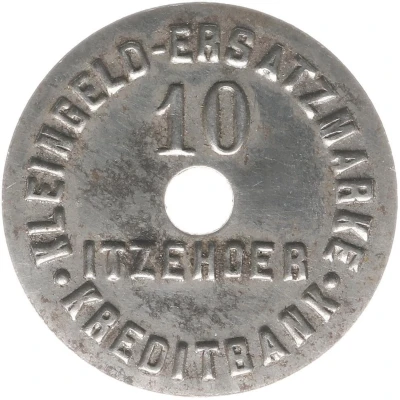
10 Pfennigs - Itzehoe ND
1917 year| Iron | - | 23.0 mm |
| Issuer | City of Itzehoe (notgeld) (Prussian province of Schleswig-Holstein) |
|---|---|
| Emperor | William II (Wilhelm II) (1888-1918) |
| Type | Standard circulation coin |
| Year | 1917 |
| Value | 10 Pfennigs (10 Pfennige) (0.10) |
| Currency | Mark (1914-1924) |
| Composition | Iron |
| Diameter | 23.0 mm |
| Shape | Round with a round hole (Hole 4 mm) |
| Technique | Milled |
| Orientation | Medal alignment ↑↑ |
| Demonetized | Yes |
| Updated | 2024-10-04 |
| Numista | N#342780 |
|---|---|
| Rarity index | 95% |
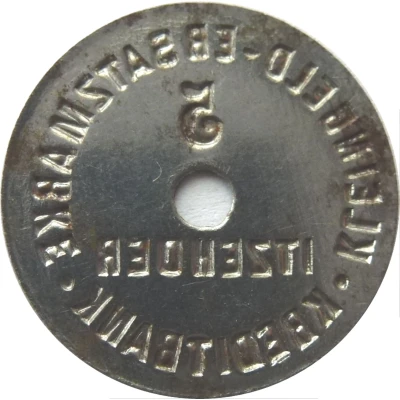
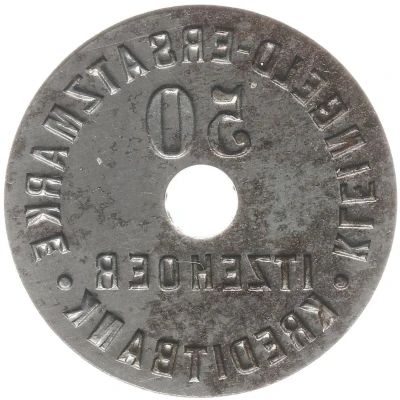
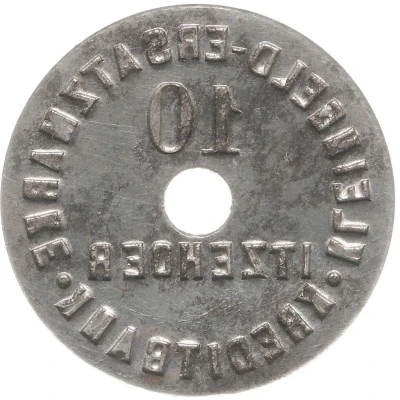
Reverse
Lettering from obverse in mirror writing
Edge
Plain
Interesting fact
One interesting fact about the 10 Pfennigs - Itzehoe ND (1917) coin is that it was made of iron, which was a common material used for coinage during World War I due to the shortage of other metals. This coin was issued by the City of Itzehoe in the Prussian province of Schleswig-Holstein as a form of notgeld, or emergency currency, to help alleviate the economic strain caused by the war. Despite being made of a less valuable material, the coin still holds historical significance and is a unique piece of numismatic history.