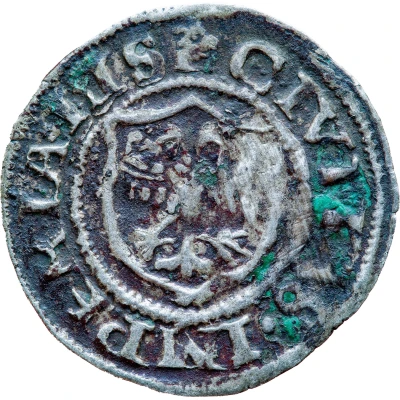
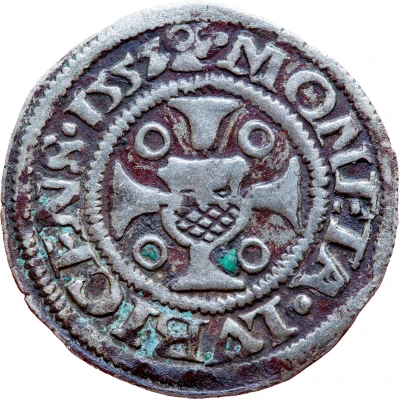
© gleri (CC BY-SA)
© gleri (CC BY-SA)
1 Sechsling
| Silver | 1.01 g | 19.8 mm |
| Issuer | Free Hanseatic city of Lübeck (German States) |
|---|---|
| Period | Free city (1226-1811,1815-1937) |
| Type | Standard circulation coin |
| Years | 1552-1559 |
| Value | 1 Sechsling (1⁄96) |
| Currency | Thaler |
| Composition | Silver |
| Weight | 1.01 g |
| Diameter | 19.8 mm |
| Thickness | 0.5 mm |
| Shape | Round |
| Orientation | Coin alignment ↑↓ |
| Demonetized | Yes |
| Updated | 2024-10-05 |
| Numista | N#422126 |
|---|---|
| Rarity index | 97% |
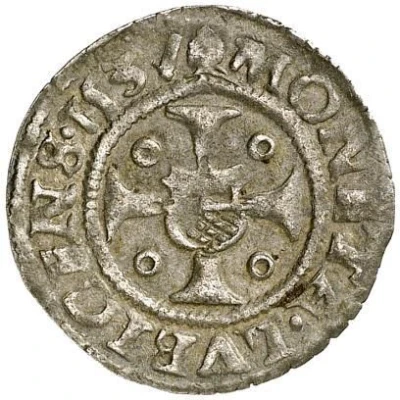
Reverse
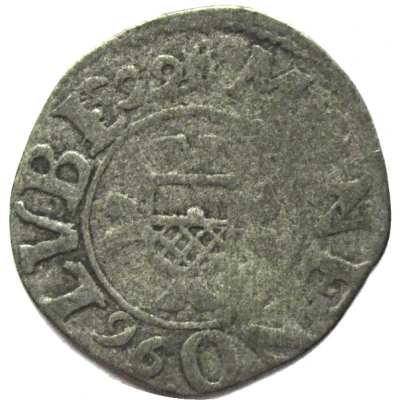
In the pearl circle the city coat of arms on a curved cross with a ring in its four corners.
On the top a dog head, (sign of the mint master, A. Roeper)
Script: Latin
Lettering: MONETA • LVBICENS • 1552
Engraver: A. Roeper
Interesting fact
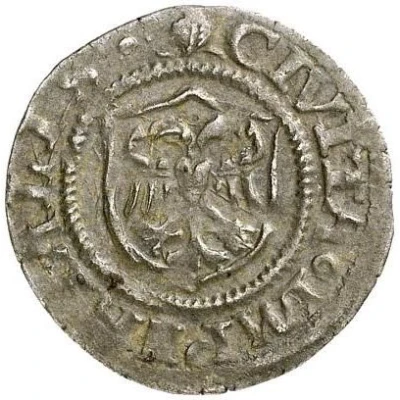
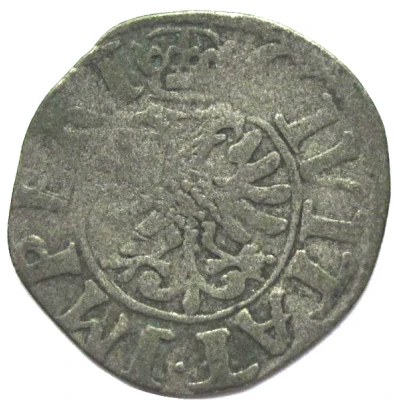
The 1 Sechsling coin from the Free Hanseatic city of Lübeck was minted during a time of great economic and cultural significance for the city. Lübeck was a major trading hub in the Baltic region, and its merchants were influential in the Hanseatic League, a powerful trading federation that spanned across Northern Europe. The coin's design, which features the city's coat of arms and a shield with the number "6" (representing the six districts of Lübeck), reflects the city's pride in its history and trading prowess.