© Seal444 (CC BY-NC-SA)
© Seal444 (CC BY-NC-SA)
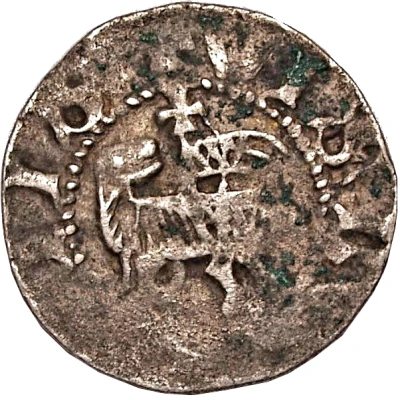
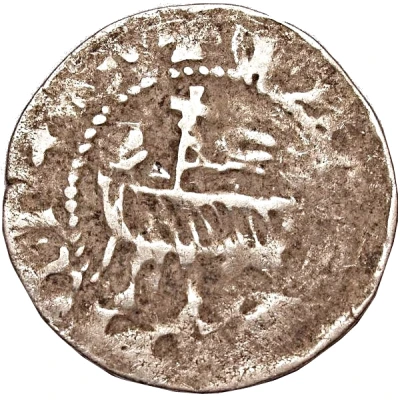
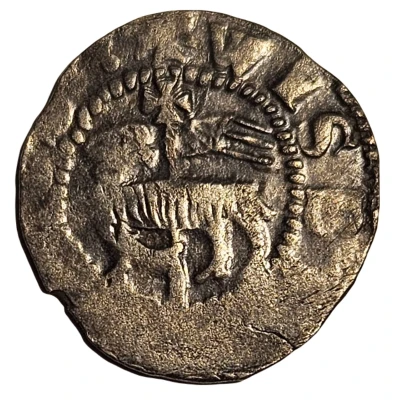
1 Örtug Visby; type 34 ND
| Silver (.500) | 1.01 g | - |
| Issuer | Gotland (Sweden) |
|---|---|
| Type | Standard circulation coin |
| Years | 1375-1380 |
| Value | 1 Örtug |
| Currency | Örtug (1280-1448) |
| Composition | Silver (.500) |
| Weight | 1.01 g |
| Shape | Round (irregular) |
| Technique | Hammered |
| Orientation | Variable alignment ↺ |
| Demonetized | Yes |
| Updated | 2024-10-07 |
| Numista | N#180170 |
|---|---|
| Rarity index | 97% |
Reverse
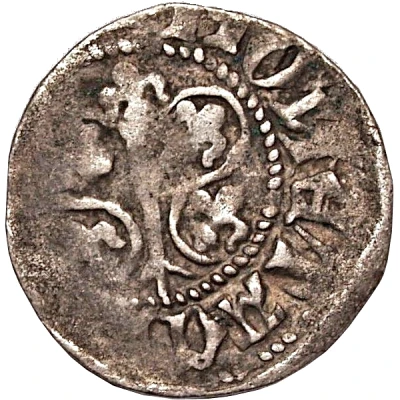
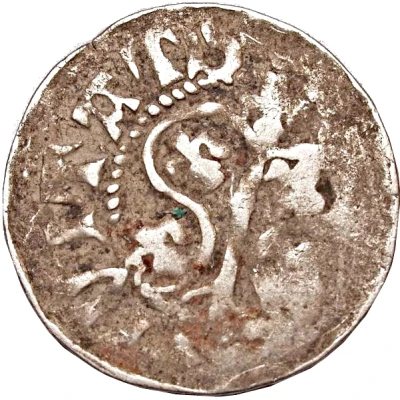
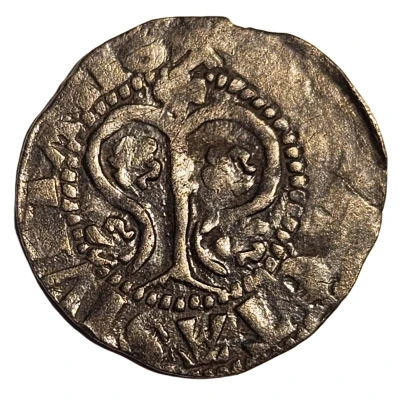
Tree with the top leaves pointing up, the bottom leaves pointing up and out, and ending in two roots, all surrounded by legend.
Script: Latin (uncial)
Lettering: MONETA · CIVITATIS
Lettering (regular font): MONETA · CIVITATIS
Translation: Coinage of the city-
Edge
Plain
Comment
Determining which type of Gotlandic örtug a specific piece is can be difficult due to how subtle some differences are. For some help with identification, try using .Interesting fact
The 1 Örtug coin from Gotland (Sweden) was used as a form of currency during the Middle Ages, specifically during the 14th century. It was made of silver and weighed around 1.01 grams, which was a significant amount for a coin at that time. The coin features an image of a lion on one side and a cross on the other, which symbolized the power and influence of the Swedish monarchy. Despite its small size, the 1 Örtug coin played an important role in the economy of Gotland and surrounding regions during its time in circulation.