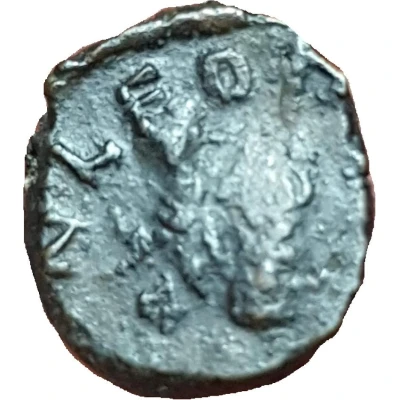
© RIC
© RIC
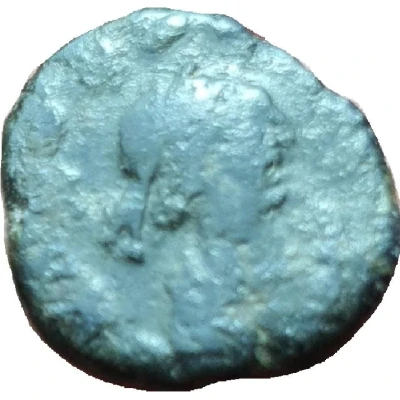
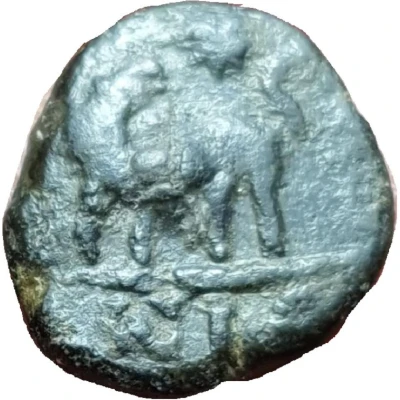
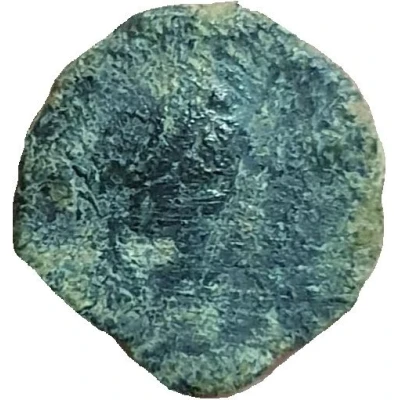
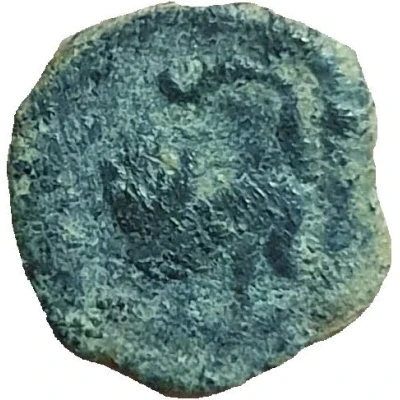
Æ Nummus - Leo I Antioch
| Bronze | 1 g | 10 mm |
| Issuer | Eastern Roman Empire (Rome) |
|---|---|
| Emperor | Leo I (457-474) |
| Type | Standard circulation coin |
| Years | 457-474 |
| Currency | Solidus (330-476) |
| Composition | Bronze |
| Weight | 1 g |
| Diameter | 10 mm |
| Thickness | 1.4 mm |
| Shape | Round (irregular) |
| Technique | Hammered |
| Orientation | Variable alignment ↺ |
| Demonetized | Yes |
| Updated | 2024-10-10 |
| Numista | N#381974 |
|---|---|
| Rarity index | 100% |
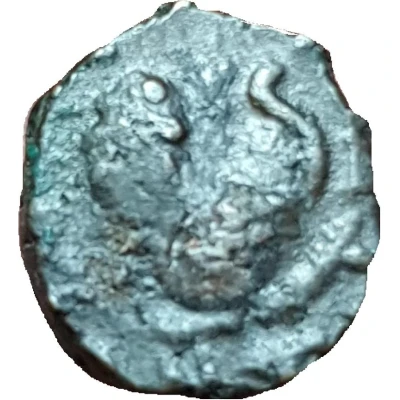
Reverse
Lion, crouching left, head right, within a wreath; sometimes with cross or ⊕ above.
Script: Latin
Lettering: ANTA
Translation: Antioquía
Interesting fact
The Æ Nummus coin featuring Leo I (Antioch) (457-474) from the Eastern Roman Empire (Rome) was part of a significant monetary reform implemented by Leo I in 457 AD. The reform aimed to address the inflation and currency devaluation that had plagued the empire for decades, and it introduced a new system of weights and measures for the coinage. The Æ Nummus was one of the new coin denominations introduced during this reform, and it was made of bronze, weighing 1 gram. This coin was widely used throughout the Eastern Roman Empire and was an important part of everyday transactions during that time.